Exercise Physiology Personal Statement Examples and Tutoring
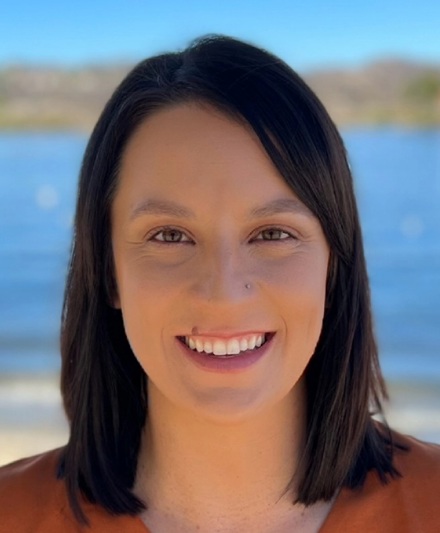
Lauren Hammond, exercise physiology personal statement tutor
Table of Contents
- Exercise physiology personal statement tips
- What to include - and avoid
- Exercise physiology personal statement examples
- Learn more about Lauren, our exercise physiology personal statement expert.
Exercise Physiology Personal Statements
On this page you'll find six examples of effective exercise physiology personal statements for MS in Exercise Physiology, MS in Clinical Exercise Physiology, and Exercise Physiology PhD programs, written from the perspective of exercise science undergraduates, cardiac rehabilitation technicians, personal trainers, athletic trainers, research-focused applicants and a former infantry officer.
Each example is followed by a breakdown of what makes it work. Exercise physiology spans a wide range of settings and career paths - from clinical cardiac rehabilitation to sports performance research to exercise oncology - and the personal statement should reflect where specifically you want to practice within that range.
Lauren Hammond is our exercise physiology application essay expert and has been helping people write their graduate school personal statements for several years. Whether you just want some feedback on a draft, or you're staring at a blank Word doc and don't know where to begin, she is happy to help!
Contact Lauren directly at 951-395-4646 (phone or text), or send us an email. Working with Lauren is $225 per hour, or $995 for 5 hours.
Consultations are free.
3 Tips for Strong Exercise Physiology Personal Statements
1. Distinguish Your Direction Within the Field
- Exercise physiology is not a single career path: Clinical exercise physiology (cardiac rehabilitation, pulmonary rehab, diabetes management, cancer rehabilitation), sports performance research, applied sport science, exercise biochemistry, military and tactical fitness, space physiology, aging and chronic disease exercise prescription - the field is broad. Applicants who name a specific direction give the committee more to work with than those who describe a general interest in "exercise and health."
- Clinical vs. research vs. applied - know which direction you're pursuing: MS programs in clinical exercise physiology prepare practitioners; PhD programs prepare researchers; applied sport science programs prepare performance consultants. Make sure your statement shows you understand what the specific degree you're applying for prepares you to do.
- Connect your direction to your background: The cardiac rehab technician who wants to specialize in clinical exercise physiology for chronic disease management makes a coherent case. The exercise science undergraduate who worked in a physiology research lab and wants to pursue PhD research in mitochondrial bioenergetics makes a coherent case. Show the logic of your path.
Example:
"I want to practice clinical exercise physiology in outpatient phase II and III cardiac rehabilitation, the stage that most directly determines whether a patient who has survived a cardiac event builds the exercise habit that reduces their risk of recurrence. What I find most scientifically interesting is the physiology of cardiac remodeling in response to exercise. Cardiac rehab is the clinical setting where that physiology matters most directly to a real patient."
2. Demonstrate Scientific Depth Beyond General Fitness Knowledge
- Exercise physiology is a rigorous science: VO2 max and its determinants, cardiac output and stroke volume response to training, mitochondrial biogenesis, lactate threshold and its manipulation, EPOC, hormonal responses to acute and chronic exercise, exercise immunology - applicants who engage with the science at this level show they're ready for graduate-level coursework and research.
- Show that you understand the distinction between fitness and physiology: Personal trainers, athletes, and coaches all care about exercise. Clinical exercise physiologists and exercise science researchers care about the mechanistic basis of physiologic adaptation, the pathophysiology underlying exercise intolerance in clinical populations, and the evidence base for exercise prescription. Show that you're applying to the latter, not seeking an advanced fitness certification.
- Research experience is valuable: If you have worked in a physiology laboratory - exercise testing, metabolic chamber studies, muscle biopsy protocols, cardiopulmonary exercise testing, human performance research - describe the work specifically and connect it to your graduate-level goals.
Example:
"In my undergraduate research I looked at how skeletal muscle mitochondrial content relates to exercise tolerance in patients with heart failure with preserved ejection fraction. The findings were unexpected: mitochondrial density, rather than cardiac output limitation, was the primary determinant of peak VO2 in this population. They changed how I think about exercise intolerance in HFpEF. They also led me straight to the question I want to pursue in my graduate work: can high-intensity interval training drive mitochondrial biogenesis in HFpEF patients in a way that low-to-moderate continuous exercise cannot?"
3. Articulate a Specific Long-Term Career Goal
- Clinical exercise physiologist in cardiac or pulmonary rehabilitation, exercise oncology, or diabetes management programs - name the setting and the population.
Performance sport scientist at a collegiate, professional, or Olympic program - name the sport or setting.
Academic exercise physiologist - name the research question, the population, and the laboratory approach you intend to develop. - Connect the credential to the career: Why does the MS or PhD specifically position you for that role? What will the degree allow you to do that your current background doesn't?
- For programs that prepare you for the ACSM-CEP: To sit for the Clinical Exercise Physiologist (CEP) exam you need a set number of supervised clinical hours (600 with a relevant master's degree), and then you have to pass the exam. Applicants who mention this pathway show they've thought past the degree to the job.
Example:
"My long-term goal is to direct a cardiac rehabilitation program in a community hospital setting. I'd be the clinical exercise physiologist who builds and leads a phase II/III program, one that gets the exercise adherence and risk factor modification outcomes the best rehab programs get and the average program doesn't. The MS in Clinical Exercise Physiology and the ACSM-CEP certification that follows it are the credentials that make that directorship possible."
What to Include in Your Exercise Physiology Personal Statement - and What to Avoid
What to Include
- Your specific direction within exercise physiology - clinical, research, applied performance, specific population or disease focus
- Scientific depth - engage with the physiological mechanisms you find most interesting; show you're applying to a science program, not a fitness certification
- Relevant clinical, research, or applied experience - cardiac rehab tech, exercise testing, laboratory research, personal training in a clinical population, military fitness
- Your long-term career goal - specific setting, role, population, and how the degree positions you for it
- For research-focused programs, name faculty - and reference specific research they're doing that aligns with your interests
- Program-specific detail - a faculty member's research, a clinical training site, a specialty track, a certification preparation component
What to Avoid
- Describing exercise physiology as "helping people get fit" - clinical exercise physiologists work with cardiac patients, cancer survivors, people with COPD; the clinical populations served by the profession are not fitness seekers
- Generic "I love exercise" statements - the field requires scientific rigor; show you understand the mechanistic science, not just the activity
- Confusing exercise physiology with physical therapy, personal training, or athletic training - these are distinct roles; if you considered them, explain why you chose exercise physiology specifically
- Leaving your career direction vague - clinical, research, and applied performance are different trajectories with different training emphases; name yours
- Submitting the same statement to every program - clinical programs, research-intensive programs, and applied sport science programs want different things; tailor accordingly
Video: 7 Ways to Write a Crappy Graduate School Personal Statement
For more personal statement tips, check out Vince's video: 7 Ways to Write a Crappy Graduate School Personal Statement.
Not every program calls this a personal statement. If yours asks for a statement of purpose, our statement of purpose examples show what that version looks like in full.
6 Exercise Physiology Personal Statement Examples
Below are six example exercise physiology personal statements. After each one, we explain what it does well.
We wrote these six ourselves as teaching models. The applicants are invented, the programs are left generic on purpose, and nothing here is a real client's statement. Read them for structure and for how specific the detail gets, not as text to borrow. Where you see a bracketed placeholder, that is where your own program research has to go.
Exercise Science Undergraduate with a Pulmonary Rehab Internship to MS in Clinical Exercise Physiology
Mr. D. had COPD and walked on the treadmill with two liters of oxygen through a nasal cannula. Three weeks into my internship in a hospital pulmonary rehabilitation program, I was watching his pulse oximeter during a walk at 1.5 miles per hour when his saturation dropped from 91 to 86 percent. He rated his breathlessness a 3 out of 10 on the modified Borg scale, about where he always rated it. I stopped the treadmill, had him sit, coached him through pursed-lip breathing and called over the respiratory therapist, the only person in the room who could change his oxygen. Within two minutes he was back to 90 percent.
What stayed with me was the gap between what he felt and what the monitor showed. Before that internship I had assumed breathlessness and low oxygen moved together. In the clinic I saw patients who rated their dyspnea a 6 with saturations in the mid-90s, and patients like Mr. D. who desaturated while feeling fine. I also noticed how often patients stopped because their legs gave out before their breathing did. My exercise physiology courses covered ventilatory limits to exercise in healthy people. They had not prepared me for a man whose quadriceps quit before his lungs.
My role as an intern was limited, as it should have been. I took vital signs before and after sessions, recorded six-minute walk distances at intake and discharge, set up the upper-body ergometer, and logged each patient's oxygen flow and Borg ratings. The exercise physiologist wrote the prescriptions. I watched her switch one patient with severe COPD from continuous treadmill walking to 30-second intervals with rest, because he could not keep a steady pace for more than four minutes. Over six weeks his total walking time per session roughly doubled. I wanted to understand why intervals worked for him when continuous walking hadn't, and I wanted to be the person qualified to make that call.
Mr. D. finished the program with a six-minute walk distance about 50 meters longer than at intake. On his last day he told the staff he had walked to the mailbox at the end of his block, something he had stopped doing the winter before.
My goal is to work as a clinical exercise physiologist in a combined cardiac and pulmonary rehabilitation program, with a focus on patients with chronic lung disease, and to earn the ACSM-CEP. Right now I can follow a protocol and notice when a number looks wrong. I can't yet design a prescription around a patient's gas exchange limits, interpret a cardiopulmonary exercise test, or judge when interval training is the better choice for a given patient. I am applying to this program because its clinical rotations include a pulmonary rehabilitation site and its first-year curriculum covers cardiopulmonary exercise testing. The next time a patient's saturation drops on the treadmill, I want to have planned for it before the session started.
Why this statement works:
- It opens on one monitored moment (saturation falling from 91 to 86 percent on two liters) and shows the intern stopping the treadmill, cueing pursed-lip breathing and calling the respiratory therapist. The reader sees judgment and an honest sense of scope in one scene. A weaker draft would say "I gained valuable hands-on clinical experience."
- "the gap between what he felt and what the monitor showed" turns the scene into a physiology question: dyspnea and desaturation don't always move together, and some patients stop because of their legs. That is the shift from fitness interest to clinical science a committee is looking for.
- The intern paragraph lists real tasks (six-minute walk tests, Borg ratings, oxygen flow logs) and says plainly that the exercise physiologist wrote the prescriptions. Readers trust an applicant who doesn't inflate an internship.
- The interval-training patient gives the applicant a question to bring into the program ("why intervals worked for him when continuous walking hadn't"), which is more useful than a general wish to "learn more."
- The last paragraph names a setting, the ACSM-CEP, three skills the applicant doesn't have yet, and two program features that match them. Swap in the real details of each program you apply to.
Cardiac Rehab Technician to MS in Clinical Exercise Physiology
I've worked as a cardiac rehabilitation technician for three years. My role involves patient monitoring during supervised exercise sessions: ECG telemetry, blood pressure assessment, heart rate and perceived exertion tracking, and basic exercise instruction. When an arrhythmia shows up on the monitor during a session, I flag it and call the supervising physiologist over. Interpreting it, adjusting the patient's exercise prescription in response and reporting the finding to the referring cardiologist are her job, and that is the work I want to be trained to do.
After three years of working beside clinical exercise physiologists every day, I know what their scope covers and exactly where my role stops and theirs begins. I can recognize a premature ventricular contraction on a telemetry strip. I can't assess its clinical significance in the context of this patient's history and medication regimen, or of their recent catheterization findings. I can implement an exercise protocol. I can't design one that accounts for the patient's ejection fraction and functional capacity, or for the target heart rate range derived from their stress test results. I want to move to the other side of that line.
My goal is to become the supervising clinical exercise physiologist in a cardiac rehabilitation program. Eventually I'd like to develop a specialty in exercise prescription for complex cardiac patients. That means patients with heart failure or arrhythmias, or with device implants, where the prescription is most technically demanding.
My technician years are direct preparation for the MS. I've already spent three years in the clinical environment the degree prepares you to lead. I know the patient population and the clinical workflow. I know the equipment too, which most MS students encounter for the first time during their clinical practicum.
Why this statement works:
- The first paragraph lists exactly what a technician monitors (ECG telemetry, blood pressure, heart rate, perceived exertion) and what happens after a flag. The reader sees the scope boundary without the applicant complaining about it.
- The PVC example ("I can recognize a premature ventricular contraction on a telemetry strip. I can't assess its clinical significance...") is the most useful line on the page. It shows the applicant knows enough to see what they don't know, which is what a clinical MS committee wants from a working tech.
- "I want to move to the other side of that line" states the motive in the applicant's own image instead of a stock phrase like "take the next step in my career."
- The specialty (heart failure, arrhythmias, device implants) is narrow enough to be believable from someone who has watched those patients for three years.
- The last paragraph answers the question a reader might ask, which is why a tech with three years on the job needs a master's, by pointing to what the tech already knows and what the degree adds.
Personal Trainer to Clinical Exercise Physiology
One client's blood pressure was consistently elevated at the start of our sessions, at values the American College of Cardiology would classify as Stage 2 hypertension. I knew enough to recognize the pattern and to refer him to his physician. What I did not know was how to interpret the physician's response, how to modify his exercise prescription in light of his antihypertensive medications, or how to conduct a cardiopulmonary exercise test that would have given both his physician and me a clearer picture of his functional capacity and cardiovascular risk. Those are clinical exercise physiology skills, and he needed someone who had them.
He was the clearest example of a gap I kept running into. I've been a certified personal trainer for four years, working primarily with middle-aged and older adults managing cardiovascular risk factors (hypertension, type 2 diabetes, dyslipidemia, obesity). I'm good at the fitness side of their care, but I have no training for the clinical side.
Personal training does give me relevant preparation. I understand exercise programming, and I have worked with the chronic disease population that clinical exercise physiologists primarily serve. I have also learned the client communication and motivation skills that sustain the long-term behavior change clinical outcomes require. What I still need is physiologic depth and clinical assessment skills. I also need the credential that moves my practice from fitness to clinical care.
My goal is to practice in a clinical exercise physiology setting serving patients with cardiovascular and metabolic disease, and eventually to specialize in exercise prescription for patients with type 2 diabetes. Their exercise response, their medication interactions and the work of keeping blood glucose in a safe range during a session are where I've felt my limits most. I'm applying to this program because of its metabolic disease clinical track and its ACSM-CEP preparation curriculum.
Why this statement works:
- It opens with one client and a correctly used blood pressure category (Stage 2 hypertension) instead of a line about loving fitness. Getting the clinical term right matters when the readers are exercise physiologists.
- The list of what the trainer couldn't do (interpret the physician's response, adjust for antihypertensive medications, run a cardiopulmonary exercise test) turns "I want to learn more" into specific things the program teaches.
- The applicant claims only what personal training actually provides (programming, a chronic disease client base, behavior-change skills) and keeps the fitness side separate from clinical care. A weaker draft would present training sessions as clinical experience.
- The type 2 diabetes focus grows out of the client base described in the second paragraph, and it points directly at the program's metabolic disease track.
Research Background to Exercise Physiology PhD
Skeletal muscle metabolism was the subject of my undergraduate research, specifically the regulation of substrate utilization during high-intensity exercise in trained versus untrained individuals. Two years of that work meant conducting cycle ergometer protocols, collecting blood and expired gas samples, and analyzing the data under a faculty mentor. The mentor taught me that the most interesting questions in exercise physiology are the ones that connect cellular metabolism to whole-body performance, and I want to keep working on those questions in a PhD program.
The specific question I want to address concerns the relationship between mitochondrial function and exercise intolerance in heart failure. In healthy populations, the basic science of mitochondrial biogenesis in response to endurance training is reasonably well established; its translation to heart failure is less well characterized. There, mitochondrial dysfunction contributes to skeletal muscle fatigue independently of the cardiac output limitation. If a specific exercise protocol can improve mitochondrial function in these patients, it could raise their exercise tolerance even when their cardiac function changes very little.
A laboratory that combines mechanistic exercise physiology research with a clinical translation focus is what I am looking for, the kind of program where the basic science question is always connected to the patient population that could benefit from the answer. The research program of Dr. [Name] in skeletal muscle physiology in heart failure patients sits at exactly the intersection of basic science and clinical application where I want to work, which is why I am applying to work with her.
Long term, I want a faculty position at a research university, running an exercise physiology lab with a clinical translation focus and training students to work across the line between basic and clinical science.
Why this statement works:
- The first paragraph names the methods (cycle ergometer protocols, blood and expired gas collection, data analysis) and the question (substrate use in trained versus untrained people). A PhD committee reads that as someone who has done the work, not just read about it.
- The second paragraph locates a gap: mitochondrial adaptation to training is well studied in healthy people and less so in heart failure. Saying where current knowledge stops is how a research statement shows it belongs in a lab.
- "the basic science question is always connected to the patient population that could benefit from the answer" tells faculty what kind of lab the applicant wants, which helps them judge fit.
- Naming one faculty member and her research area is what research programs expect. Replace the placeholder with a real name and refer to a specific paper or project.
Athletic Training / Sports Medicine to Clinical Exercise Physiology
I've spent four years as a certified athletic trainer in a sports medicine clinic that sees both athletes and non-athletes, and the difference between the two groups has shaped what I want to do next. Athletic patients present with acute injuries and return-to-sport goals. Their exercise prescription is performance-driven, and the clinical context is competitive. Non-athletic patients present with chronic disease and deconditioning. For them the prescription is health-driven, and the barriers to adherence are often practical ones, like transportation, cost, work schedules and the medical appointments that already fill their week.
The non-athletic patients are the ones I find most clinically challenging and most motivating: the post-cardiac, the diabetic, the post-cancer treatment patient returning to physical activity. Athletic training gave me a foundation in exercise prescription and injury rehabilitation. It gave me musculoskeletal assessment too, and all of it translates directly to clinical exercise physiology. What it didn't give me is cardiovascular physiology depth and cardiopulmonary exercise testing competency. Nor did it give me the clinical exercise prescription framework for medically complex patients. Those are the parts of the MS in Clinical Exercise Physiology I need most.
Exercise oncology or cardiac rehabilitation is where I want to practice. Those are the clinical contexts where the exercise physiologist's work most directly affects a patient's long-term health trajectory, and where the mechanistic physiology I want to understand is most clinically consequential. My AT background prepares me for that practice in specific ways. I understand exercise prescription, and I know how to work as part of a clinical team. I also know how to build therapeutic rapport with patients who need to move more and aren't doing so.
I'm applying to this program because of its exercise oncology and cardiac rehabilitation clinical tracks and its ACSM-CEP certification preparation curriculum.
Why this statement works:
- The opening compares athletes and non-athletes in the same clinic. That comparison explains why an athletic trainer wants a different credential without a paragraph of self-justification.
- "the post-cardiac, the diabetic, the post-cancer treatment patient" names the populations clinical exercise physiologists actually serve, which shows the applicant knows the field isn't sports performance.
- The gap is stated as three competencies the applicant lacks (cardiovascular physiology, cardiopulmonary exercise testing, prescription for medically complex patients) instead of a general wish to grow.
- The AT skills the applicant brings (exercise prescription, team-based care, rapport with patients who aren't moving enough) are ones a clinical program values, so the background reads as preparation rather than a change of heart.
Military / Tactical Fitness Focus
What is the optimal training load distribution for soldiers who must sustain high-intensity performance over consecutive days without recovery? How does load carriage biomechanics interact with fatigue to elevate injury risk, and what training interventions modify that interaction? What are the physiologic limits of human performance at altitude, in heat and under sleep deprivation, and how much does training move those limits? I ran into all three questions in the field and couldn't answer them with what I knew.
I served six years as an infantry officer. During those years I taught myself as much exercise physiology as I could, because the job required it. The physical performance of the soldiers I led was a tactical variable. My exercise programming decisions had direct consequences for mission readiness and injury rates, and for the functional capacity available when it was needed most. I'm applying to this program for its human performance research group and its faculty work in load carriage biomechanics and heat stress physiology, the two areas where my own programming decisions felt most like guesswork.
These are exercise physiology research questions, and they carry direct military performance and injury prevention implications. I want to pursue the MS to develop the research methodology and physiologic depth to study them systematically. Long term, I want to do military performance and injury prevention research at a defense laboratory, a university military research program or a tactical strength and conditioning organization.
Why this statement works:
- The opening questions are research questions, each specific enough to become a thesis topic. That tells a graduate committee the applicant already thinks in testable terms.
- "The physical performance of the soldiers I led was a tactical variable" explains why an infantry officer studied physiology at all, and it keeps the service history in a supporting role instead of making it the story.
- Tying programming decisions to mission readiness, injury rates and functional capacity shows the applicant was already watching outcomes, which is the habit research training builds on.
- The program fit rests on two faculty research areas that match the opening questions, and "felt most like guesswork" admits the limit honestly. A weaker draft would cite the program's "excellent reputation."
- The career goal names three kinds of employers that hire exercise physiologists with research training, so the reader can picture where this applicant ends up.
Have a draft? Try our free personal statement checker. It checks your length, opening line, stock phrases, signs of AI writing, and sentence rhythm. Your draft never leaves your browser.
Feeling stuck?
Lauren Hammond, our exercise physiology personal statement editor, would be happy to help - whether you just need a second opinion on a draft or you're starting from scratch.
Text or call her at 951-395-4646, or send us an email.
Lauren works with you on Zoom and in Google Docs, so you get both real-time coaching and clean, trackable revisions. Most clients use 2 to 4 sessions.
Meet Lauren Hammond, exercise physiology personal statement tutor
Lauren: I earned my Bachelor's Degree in Literature and Writing, with a concentration in Writing, at California State University San Marcos (CSUSM) and my Master's Degree in English and Comparative Literature at San Diego State University (SDSU).
I completed my PhD in English at the University of California Riverside (UCR) in September 2023 and then worked as UCR's Graduate Writing Center Specialist and graduate Fulbright Program Advisor. I now teach at Azusa Pacific University, where I'm an Assistant Professor and Lead Faculty in the Writing Program.
I have been a writing consultant for more than 10 years, and I've helped people with research writing, thesis/dissertation projects, rhetorical and literary analyses, writing in the humanities, grammar/sentence mechanics, and more. My work for VKTP includes thesis and dissertation editing and coaching, especially in the humanities and social sciences, as well as graduate school application materials such as personal statements, diversity statements and research statements, and job market materials for academic and alt-academic positions, including resumes, CVs and cover letters.
During my downtime, I love hanging out with my husband, our daughter, and our two dogs, Link and Leia! My favorite activities are going on the boat, cruising on the golf cart, and making our way through all of the local eateries. When we aren't out and about, I typically enjoy reading and watching movies.
Working with Lauren is $225 per hour or $995 for a package purchase of 5 hours. You can reach her at 951-395-4646 (phone or text), or by sending us an email.
P.S. Our partner Julie can also help you prepare for your exercise physiology program admissions interviews! Learn more about her professional voice training for interview prep.
P.S. Some exercise physiology programs still require or recommend the GRE, and many have dropped it, so check each program's requirements. If yours asks for the GRE - we can help with that too!
Love For Lauren
Frequently Asked Questions
How long should an exercise physiology personal statement be?
Many MS programs ask for about 500-1,000 words, and PhD programs usually expect more detail on research interests and faculty fit. Check each program's requirements. Within the limit, name your direction in the field, show some scientific depth and state a specific career goal.
What is the difference between exercise physiology and kinesiology?
Kinesiology is the broader academic discipline covering human movement - it encompasses exercise physiology, biomechanics, sport psychology, motor learning, and PE. Exercise physiology specifically studies acute and chronic physiologic responses to exercise. MS programs in exercise physiology typically prepare for clinical practice or research careers.
What is a Clinical Exercise Physiologist (CEP)?
An ACSM-CEP applies exercise science to prevention and rehabilitation of chronic disease - cardiovascular, metabolic, pulmonary, cancer. To be eligible for the ACSM-CEP exam you need either a relevant master's degree plus 600 hours of clinical experience or a relevant bachelor's degree plus 1,200 hours, and then you have to pass the exam. ACSM plans to require graduation from a CAAHEP-accredited program starting in August 2027, so check each program's accreditation status. Many MS programs include supervised clinical hours and exam preparation in the curriculum.
What careers are available with an MS in Exercise Physiology?
Clinical track: cardiac rehab specialist or director, clinical exercise physiologist in hospital/outpatient settings, exercise oncology specialist, diabetes program exercise specialist. Research/performance track: sport scientist at collegiate or professional programs, military human performance researcher, university instructor. PhD graduates typically pursue academic faculty or research leadership roles.
Can I use AI to write my exercise physiology personal statement?
AI doesn't know your research, your clinical experience or which scientific questions actually interest you, so it can't write about them. Write the statement yourself or work with Lauren.
Do exercise physiology MS programs require the GRE?
Some exercise physiology programs still require or recommend the GRE, and many have dropped it, so check each program's requirements. If you need GRE prep, our tutoring team can help.
BTW, Lauren can also help with:
- Dissertation and thesis editing
- Graduate school CV and resume examples
- Teaching statement examples
- Academic cover letter examples
- Diversity statement examples
- Research statement examples
- Athletic Training personal statements
- Physical Therapy personal statements
- Occupational Therapy personal statements
- Chiropractic (DC) personal statements
- Physician Assistant personal statements
- Nurse Practitioner personal statements
- Dietetics personal statements
- Respiratory Therapy personal statements
- Radiation Therapy personal statements
- Podiatry (DPM) personal statements
- Perfusion Science personal statements
- Medical Laboratory Science personal statements
- MHA (Health Administration) personal statements
- Health Informatics (MSHI) personal statements
- MBA personal statements
- PhD personal statements
- Post Doc personal statements
- Fellowships and Grants personal statements